Camilo Pessanha
Camilo Pessanha
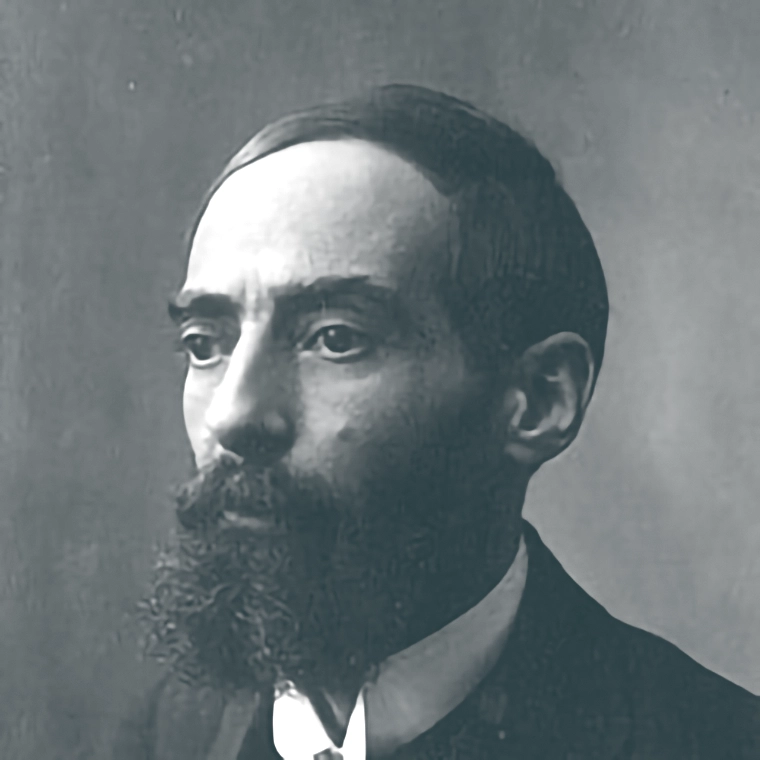
Camilo de Almeida Pessanha was born in Coimbra and later studied Law there. He began his working life as Royal Prosecutor in Mirandela in northeastern Portugal, and then as a lawyer in Óbidos, moving, in 1894, to Macau, where he would teach Elementary Philosophy in the Macau High School. In 1900 he gave up his teacher’s life and became a registrar in the Land Registration Office of Macau and, following that, district judge. He visited Portugal on a number of occasions between 1894 and 1915 for health reasons. There he met Fernando Pessoa and Mário Sá-Carneiro, who were great admirers of his poetry. Throughout his life he would see his poems published in magazines and newspapers. However, the only book of poems to be published—Clepsydra (1920)—was issued late under the auspices of the writer Ana de Castro Osório, and newly issued in 1945, 1954 and 1969, with new poems compiled by João de Castro Osório, Ana’s son. Pessanha died in 1926 and his death was attributed to tuberculosis complicated by his consumption of opium. He is buried in Macau. Pessanha—close to symbolist trends and touched by the shadows of Baudelaire, Verlaine and Mallarmé—would nevertheless have a decisive influence on Portuguese modernism of the 20th century, profoundly marking Portuguese poetry of this period, a fact which also shows us how symbolism, so-called, became one of the entranceways to modernist poetry. He not only influenced Pessoa and Sá-Carneiro, but also poets like Eugénio de Andrade and Gastão Cruz in the second half of the century.
You may find his poetry in…
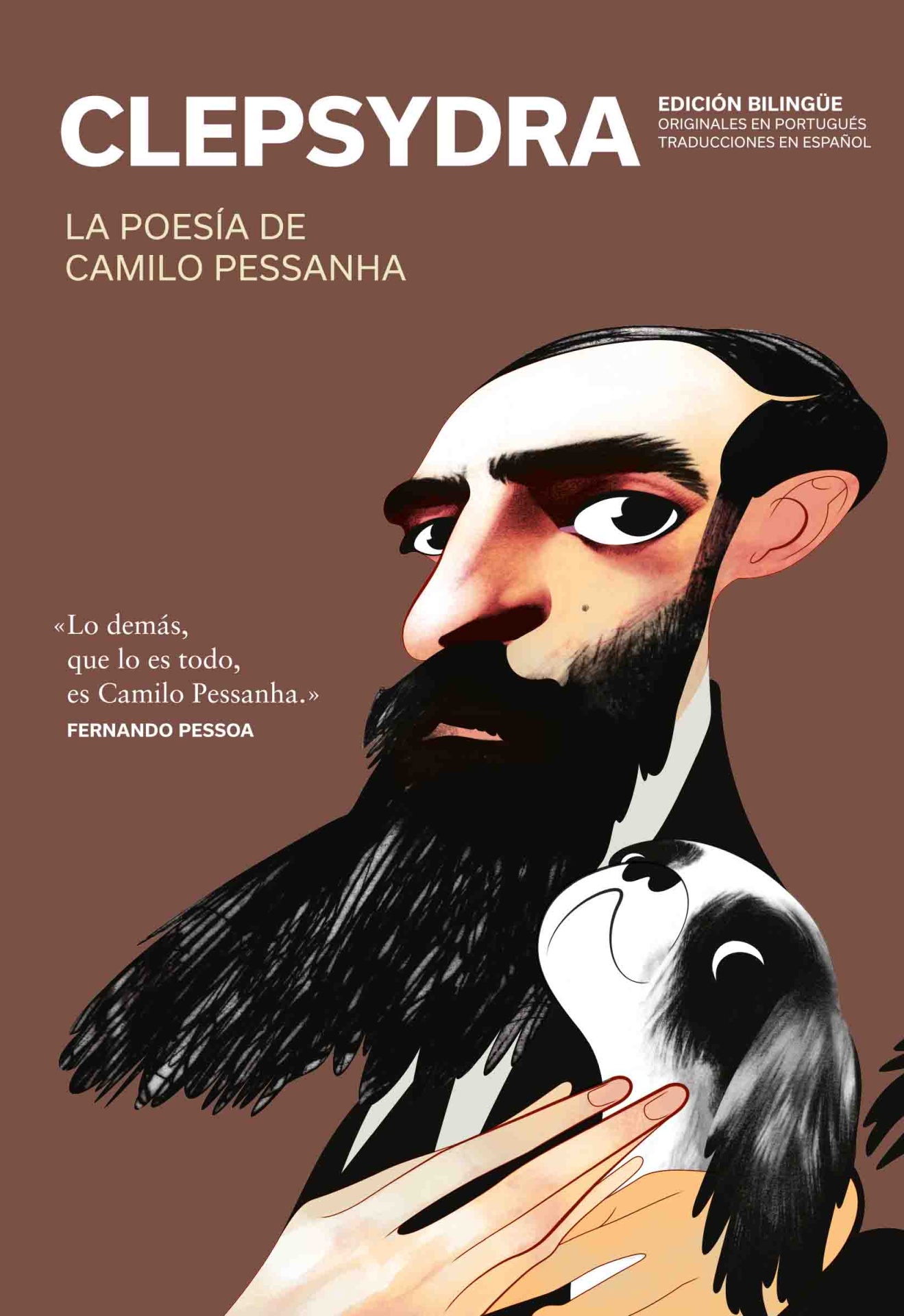
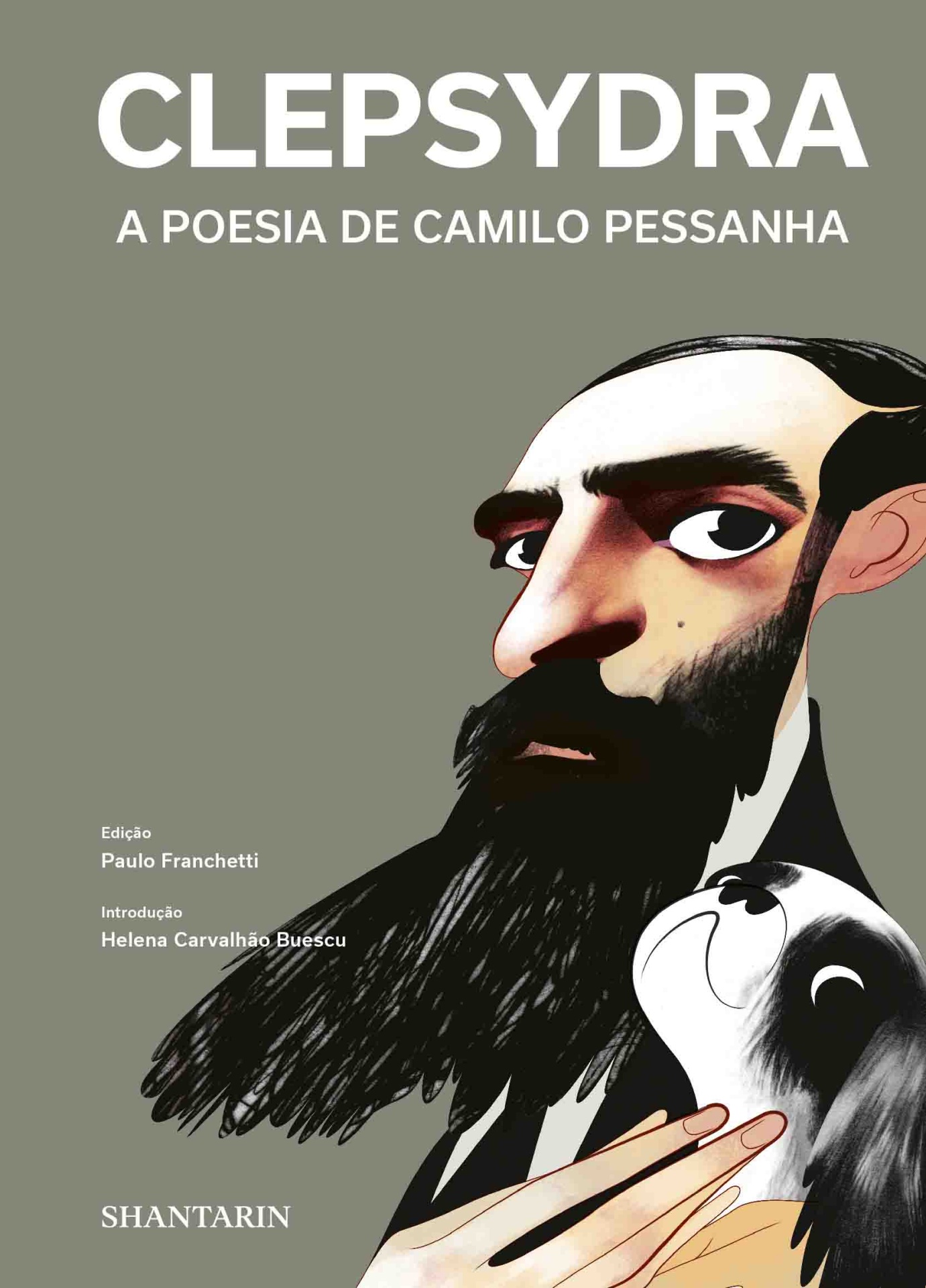
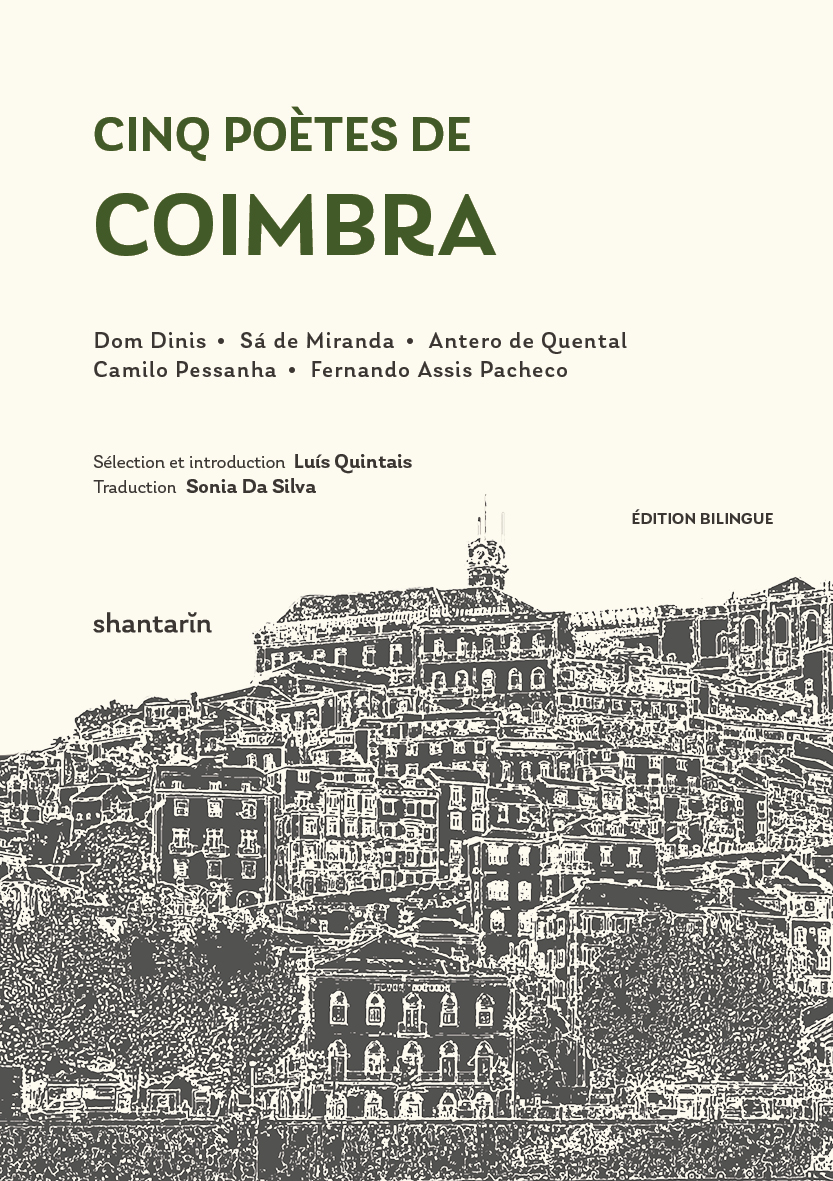
Browse through his books here.