Antero de Quental
Antero de Quental
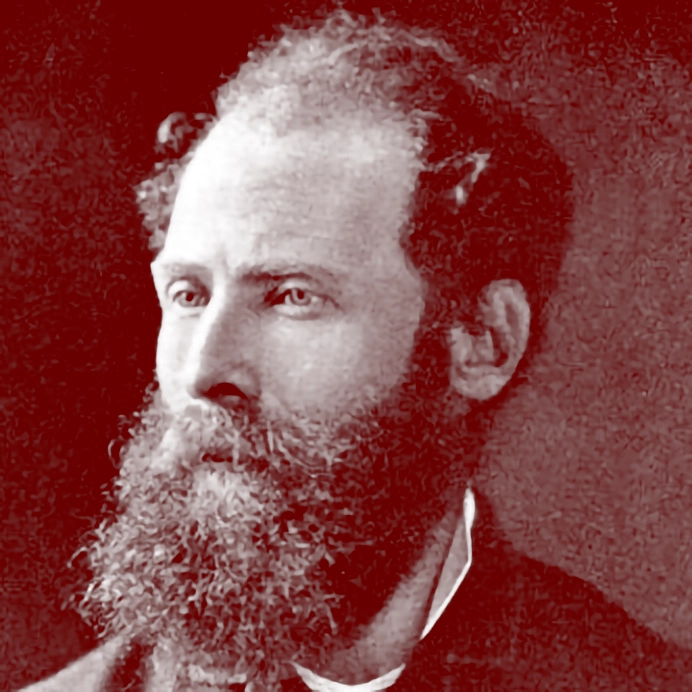
Antero Tarquínio de Quental was born on the island of São Miguel in the Azores. At the age of sixteen he moved to Coimbra to study Law and there he began to find an outlet for his socialist ideas. In 1861, he published his sonnets for the first time. In 1865 he published Odes Modernas (Modern Odes), poems in which the influence of Pierre-Joseph Proudhon is patent. In the same year the celebrated Questão Coimbrã (The Coimbra Question) arose, in which the emerging naturalism and realism of the Generation of the 70s, to which Quental belonged, openly opposed the formal values and principles of Romanticism represented by authors like António Feliciano de Castilho. In 1866 Antero de Quental moved to Lisbon where he worked as a typographer. The following year found him in Paris also working as a typographer during the first months he was there. He returned to Lisbon in 1868 where he formed a literary group called Cenáculo which included Batalha Reis, Eça de Queiroz, Ramalho Ortigão and Guerra Junqueiro, friends from his Coimbra years. The group would have a profound impact on the Portuguese intellectual landscape of the 19th century, particularly due to the famous Conferências do Casino (Casino Conferences) of 1871 which demonstrated an emphatic desire for social transformation and modernity. The 1870s was a particularly fertile period in terms of political involvement with Quental contributing to numerous publications and newspapers. The first edition of the Sonetos Completos (Complete Sonnets) was published in 1886. Between 1881 and 1891 he resided in Vila do Conde, a coastal city in northern Portugal. In September of 1891, during one of his trips that he made periodically over the years to the Azores, he committed suicide on a park bench in Ponta Delgado, São Miguel. He is buried in the São Joaquim Cemetery in the city where he died.
You may find his poetry in…
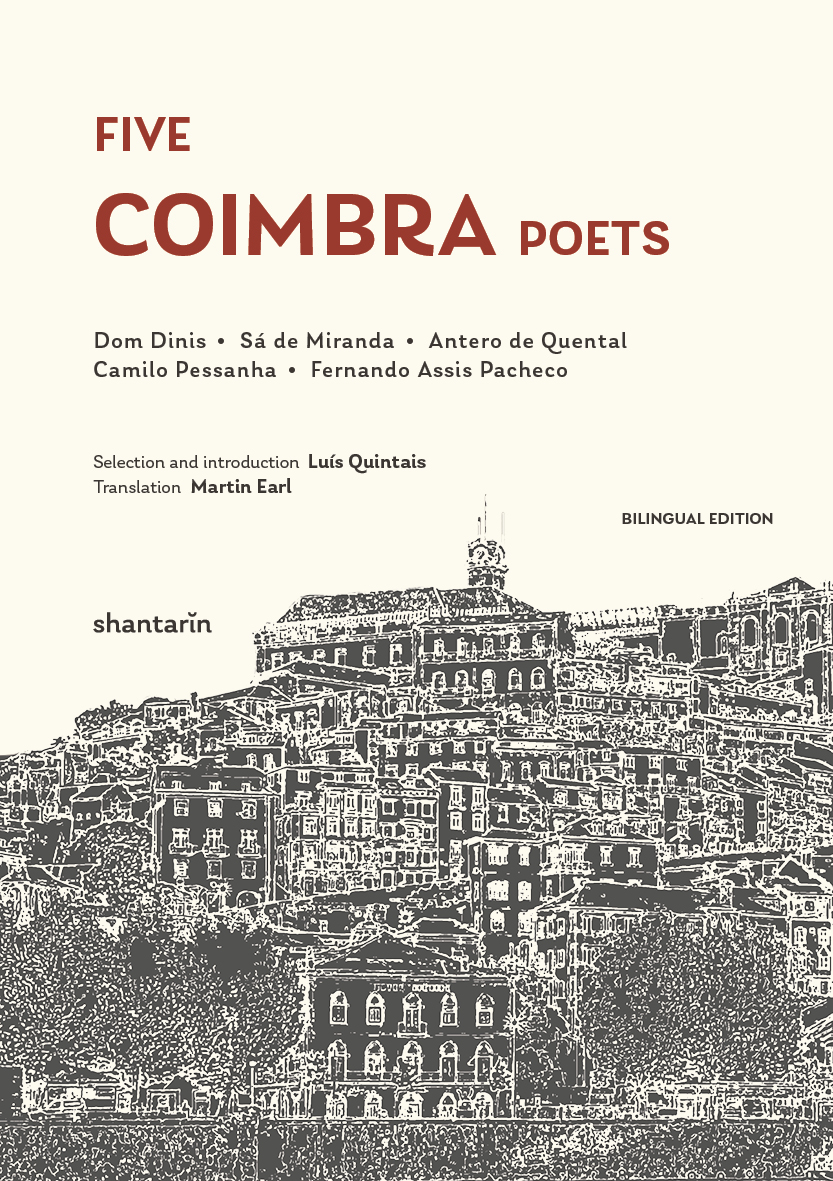
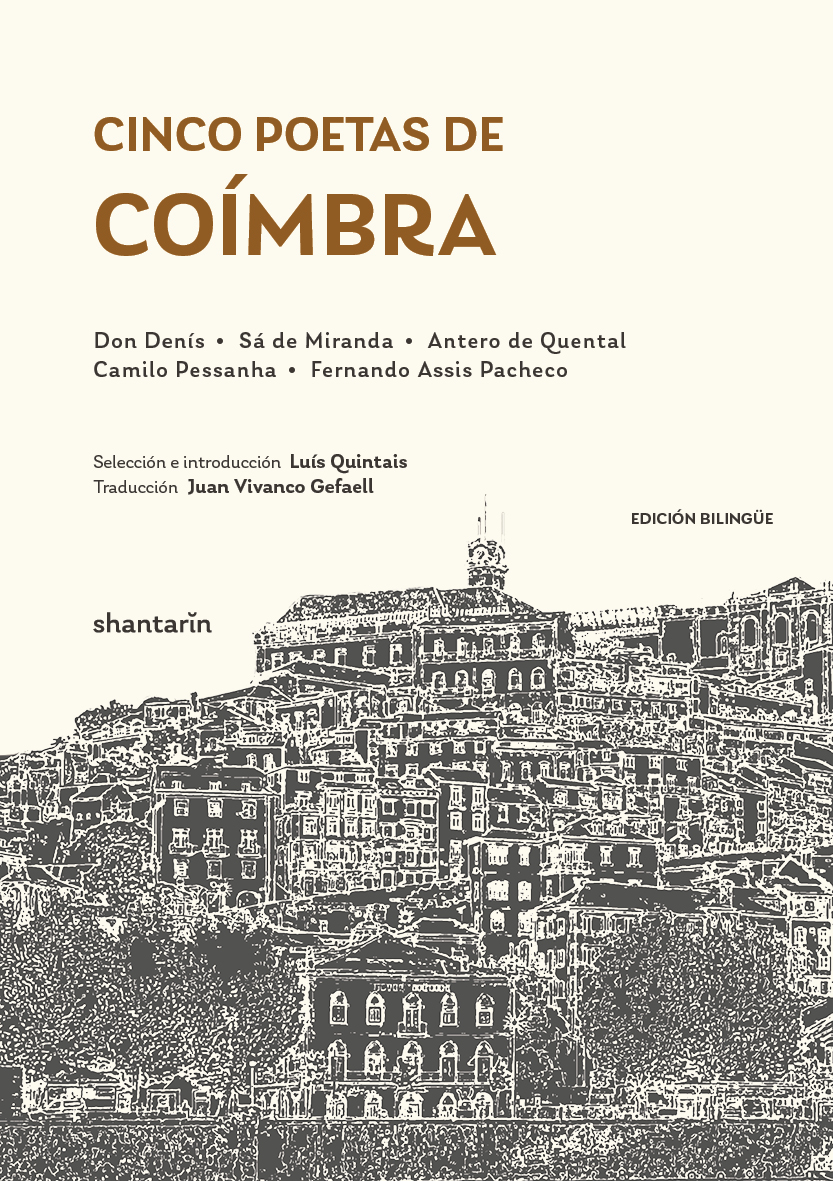
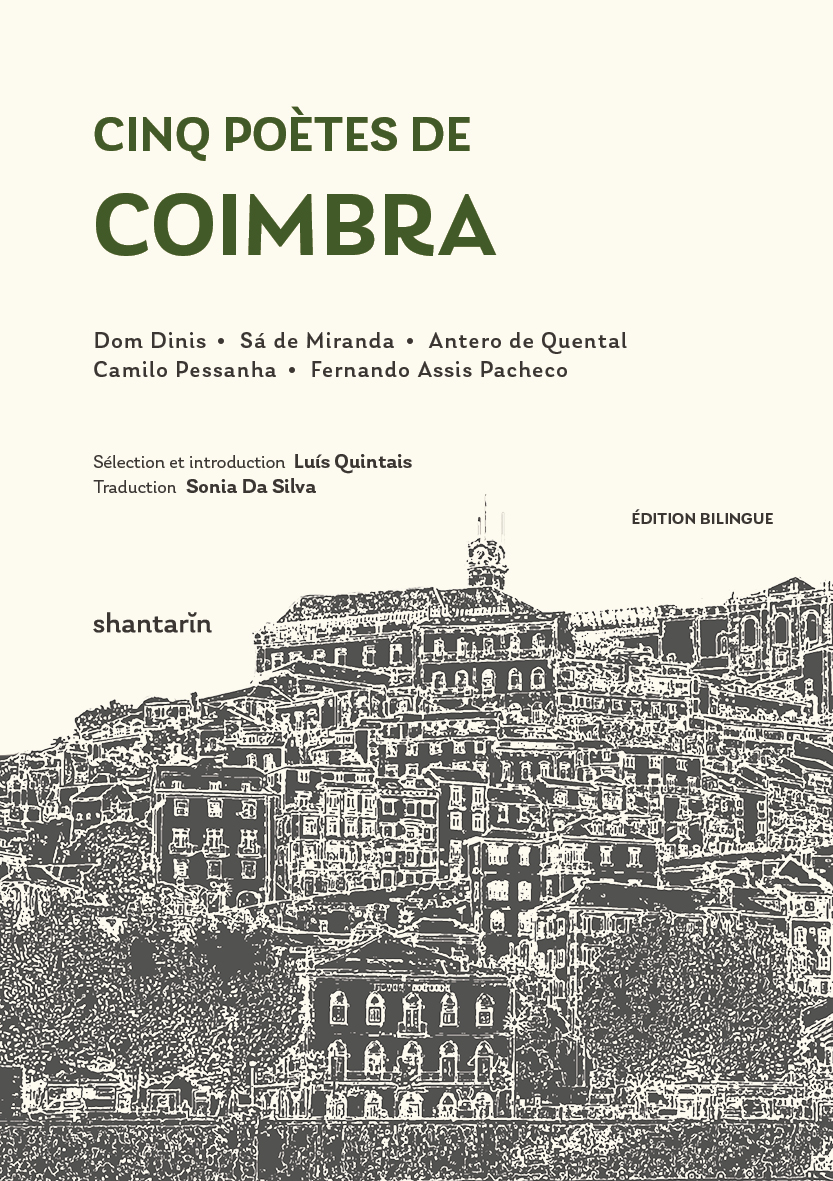
Browse through his books here.