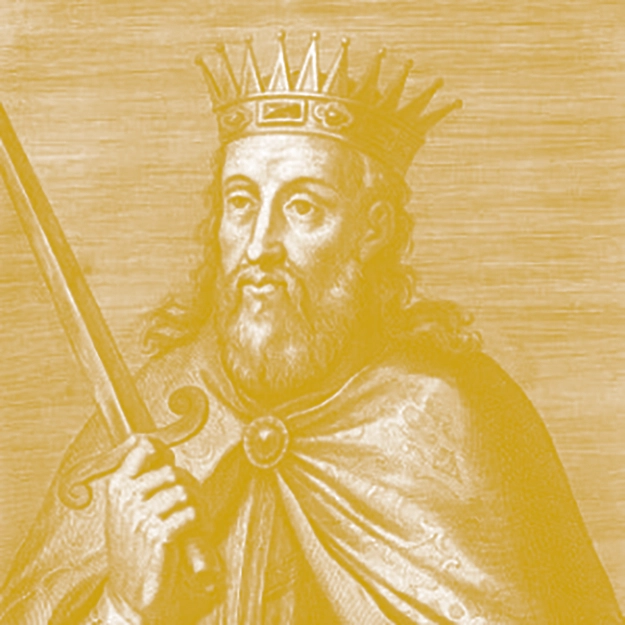
Dom Dinis was King of Portugal and of the Algarve between the years 1279 and 1325, the year of his death. The oldest son of King Afonso III and Beatriz of Castile, he married Isabel of Aragon, known as the “Holy Queen,” in 1282. Dinis has become a pivotal figure in our understanding of the history of Portugal as a nation state. It was during his reign that the Treaty of Alcañices (1297) was signed with Castile and that the Portuguese language was institutionalized, becoming the official language of the court. It was also during his reign that the first Portuguese University was established in Lisbon, and later moved to Coimbra. Indeed, he was the first literate Portuguese monarch. Dom Dinis is one of the great Portuguese poets. As a pioneer of Iberian troubadour poetry, the king as poet, or poet-king, cultivated the style’s variety of registers in exemplary fashion: cantigas de amigo, cantigas de amor, and cantigas de escárnio e maldizer. These poems were called cantigas (songs) because they were written to be sung. There are 137 cantigas attributed to Dom Dinis. Of these, 72 are de amor (7 of which have scored music), 51 are de amigo and 10 de escárnio; there are also three pastorelas and one literary satire and the canção apócrifa (apocryphal song) “Pero muito amo” (“But I love you so much”).
You may find his poetry in…
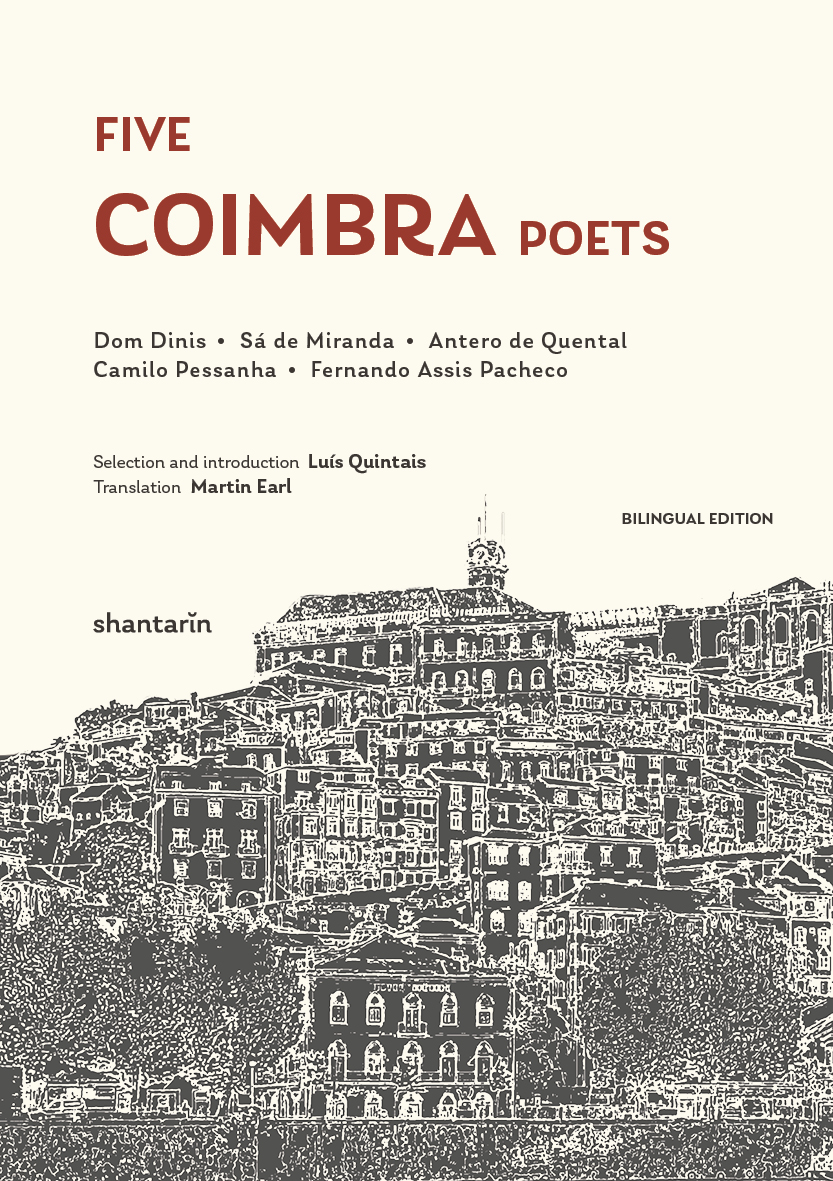
Five Coimbra Poets brings together different poetical voices from diverse centuries, starting in late medieval Portugal with Dom Dinis and ending with Fernando Assis Pacheco in the last half of the 20th century.
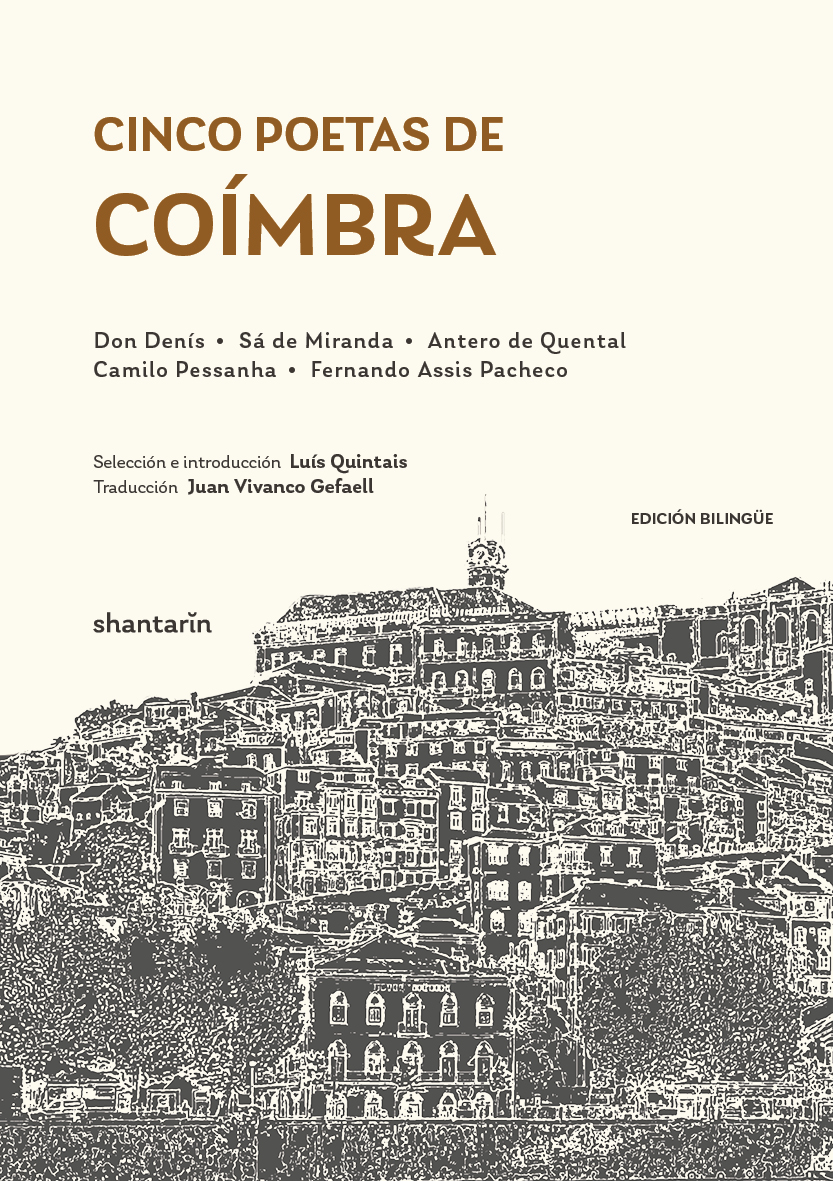
Cinco poetas de Coímbra une voces poéticas profundamente distintas de siglos diferentes —de la Alta Edad Media, con Don Denís, a Fernando Assis Pacheco, en la segunda mitad del siglo XX—.
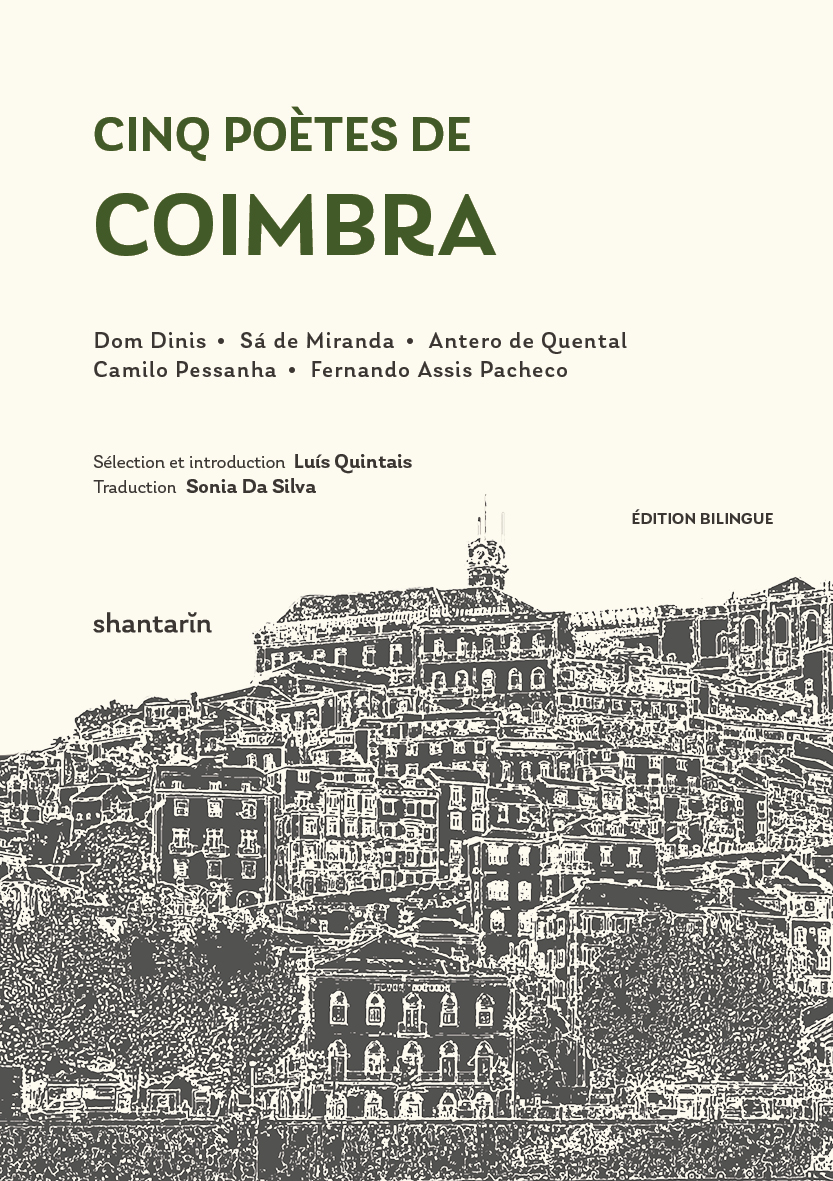
Cinq poètes de Coimbra réunit des voix poétiques profondément distinctes, issues de différents siècles, allant de Dom Dinis (le Portugal de la fin du Moyen-Âge) à Fernando Assis Pacheco (seconde moitié du XXe siècle).