Martin Earl

Martin Earl
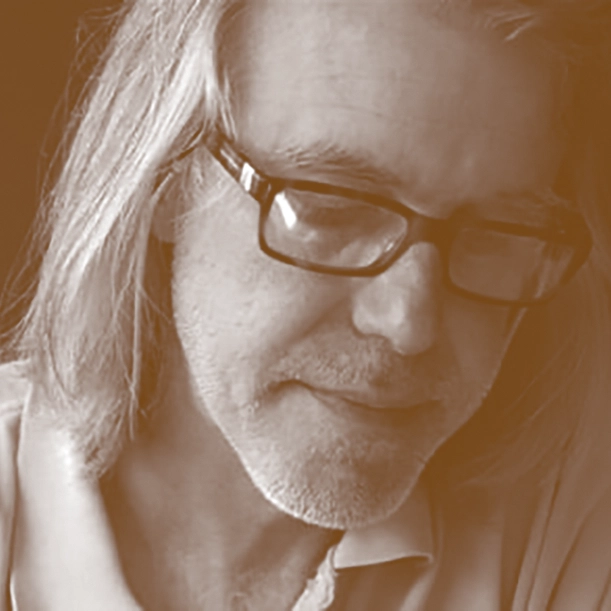
 

Poet and translator, born in Detroit, Michigan, in 1957, he was raised for the most part in Duxbury, Massachusetts. Martin lived in New York City and Paris before settling permanently in Coimbra, Portugal. A bilingual, English/German collection of his poetry, Stundenglas, was published by Edition Maldoror (Berlin, 1992) in collaboration with the Swedish painter Pontus Carle. Among the magazines that have published his poems are Iowa Review, Conjunctions, Denver Quarterly, PN Review, and Nervo (which included a bilingual—English/Portuguese—selection in no. 10, translated by Margarida Vale de Gato). Essays have appeared in World Literature Today, Conjunctions, and at the Poetry Foundation. His translations, in the humanities, social sciences, and cinema, include António Medeiros’ Two Sides of One River (New York, Oxford: Bergham Books, 2013) and Nuno Nabais’ Nietzsche and the Metaphysics of the Tragic (London: Continuum, 2006). Fernando Pessoa’s First Anthology is his fourth collaboration as translator with Shantarin.


He is the translator of…
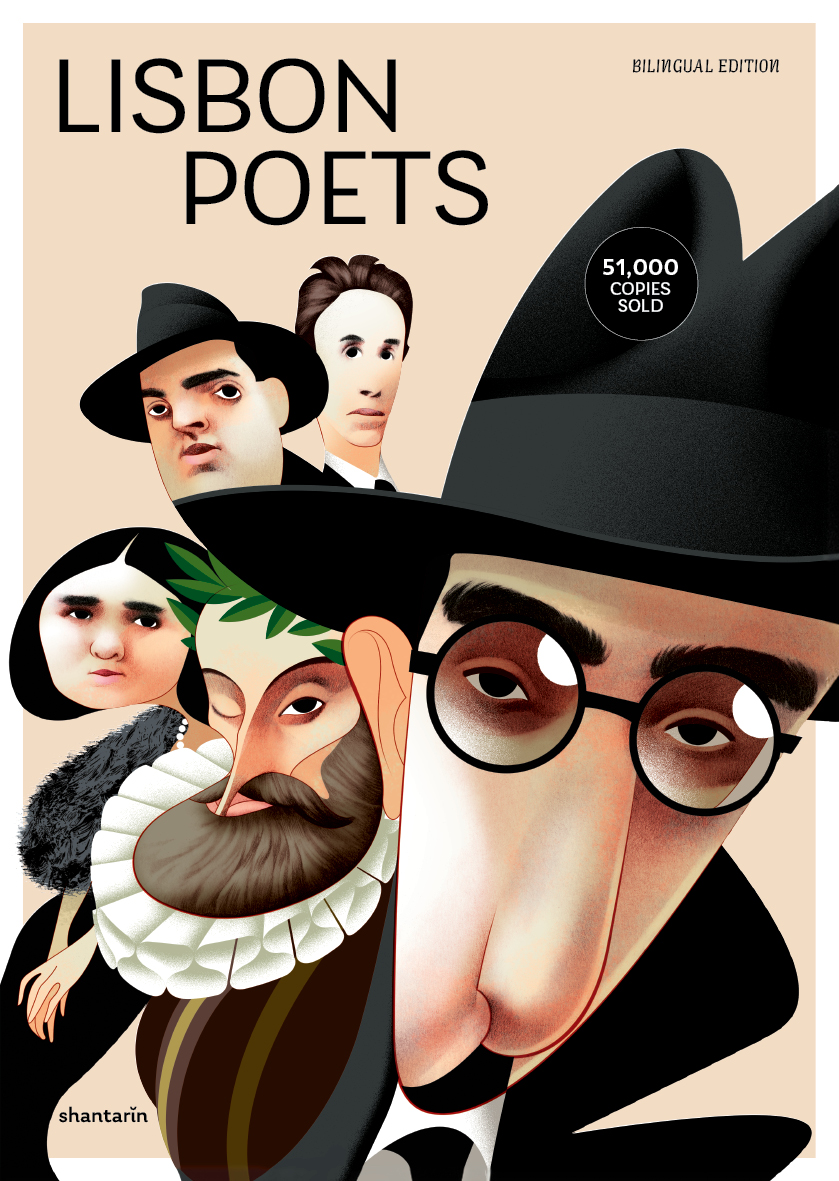
 

A bilingual and illustrated edition with verses written by great poets who were born or lived in Lisbon, Portugal’s iconic capital city. The globally celebrated Luís de Camões and Fernando Pessoa, along with the latter’s heteronyms, are joined in this collection by three other poets widely praised within the Portuguese speaking world: Cesário Verde, Mário de Sá-Carneiro, and Florbela Espanca. With translations by Martin D’Evelin and Martin Earl, illustrations by André Carrilho, and a foreword by Cláudia Pazos-Alonso.


Poesia. First Anthology offers English-language readers a bilingual edition of the first anthology that was made of Fernando Pessoa’s poetic work. Edited and introduced by Adolfo Casais Monteiro in the 1940s, it comprises a fine selection of poems as well as several prose texts, including the letter Pessoa addressed to Casais Monteiro explaining the origin of his heteronyms. This edition includes a preface by George Monteiro and an essay by Eduardo Lourenço.


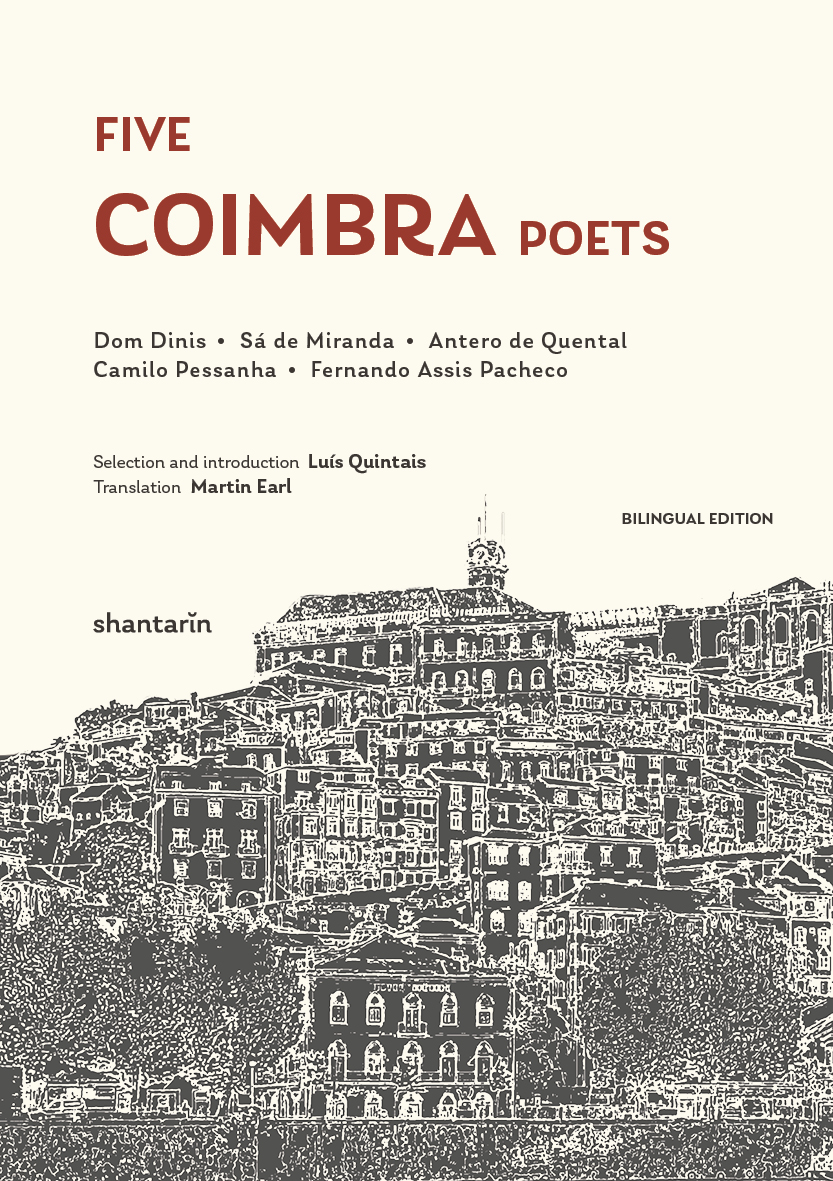
Five Coimbra Poets brings together different poetical voices from diverse centuries, starting in late medieval Portugal with Dom Dinis and ending with Fernando Assis Pacheco in the last half of the 20th century. 


BACK TO TRANSLATORS