Cesário Verde
Cesário Verde
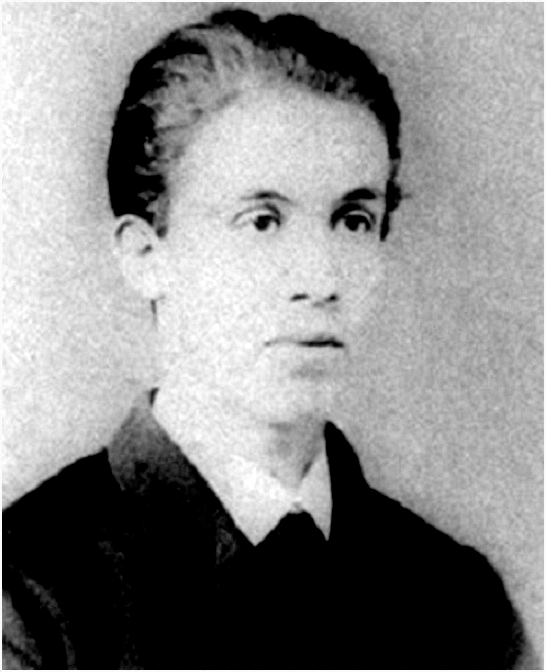
Cesário Verde was born in Lisbon, and died there thirty-one years later, dispatched by the same disease that had killed his brother and his sister. The death of his sister in 1872 is said to have influenced him greatly. She is no doubt behind some of the female figures who show up in his poems, sickly and unfortunate creatures worthy of Charles Dickens. Maria Júlia’s precocious demise almost certainly fostered her brother’s skeptical outlook and steered him away from the idealizing and Romantic approach that still marked 19th century Portuguese poetry. Like Fernando Pessoa, who a generation later would be the first poet to recognize Cesário’s work for its groundbreaking originality and genius, Cesário Verde was hardly known in his lifetime. He published some forty odd pieces in Lisbon newspapers, but never published a collection while alive. The Book of Cesário Verde came out posthumously, a private edition edited and published by his friend Silva Pinto in 1887. It was only in 1901 that the book was made available to a wider public. Unlike Pessoa, Verde’s obscurity was not a cultivated affair. In one of his poems Obstacles, he complains, almost boyishly, about a lack of recognition and being neglected by editors. The poem draws a parallel between the narrator’s life and that of a tubercular laundress whom he watches from his writing desk starching shirts in her miserable apartment across the street. One of this poem’s sources of chagrin—something that every poet will understand—follows a local editor’s rejection slip: “What’s the worth of writing? / Yet another rag, one that praises everything, / Has shut the door on me alone.” Instead of leading the literary life available to young writers of ambition, Verde, like some proto-typical Wallace Stevens, worked in his father’s hardware store in Lisbon’s bustling downtown, and wrote his “novel and error free Alexandrines,” as he called them in Obstacles, after work and on his summer holidays at the family farm in the city’s outskirts. Though he knew some of the writers of his day, he was probably one of the more isolated poets of the 19th century, Portuguese or otherwise. It is hard to reckon this background with his astoundingly unprecedented and revolutionary verse.
You may browse through his books here.